White paper
Drastically Reduce the Time and Cost of Weapon Testing and Training
- Published
- August 2015
- Pages
- 3
- File
- PDF 1.3 MB
Trident Research has invested millions of dollars to develop the most precise and reliable technology for weapon testing and training in the world. No other technology works better or costs less to acquire, operate, and maintain.
Traditional methods of live fire weapon testing and training of tactical ordnance involve complex and costly remote instrumentation such as optical theodolites and tracking systems, or C-band / X-band radar tracking systems. Aside from their significant acquisition cost, these systems have several practical deficiencies, such as:
- Complex mission planning and placement, including surveys and tracking angle calculations to ensure the fired munitions remain in the field of view (FOV) of every instrument.
- Placement for clear line of sight (LOS) to ensure the detonation can be seen.
- Bore site calibrations, leveling calibrations, and other sensitive tuning to prepare for data collection.
- Labor intensive transportation, site placement, calibration, operation, stowage, and sustainment.
- Complex and time consuming data processing and analysis that requires extensive training and days to produce reasonable results.
- Each have operational constraints that significantly impact accuracy and operations. Optics systems do not perform well in poor lighting conditions or smoke, fog, or other conditions that hamper visibility, and radar systems do not perform well near the horizon where ground returns clutter the data and where dense dust, moisture, or debris make it difficult to discriminate the target.
These time consuming, costly activities are multiplied several times because at least three such systems are required to determine a three dimensional geodetically accurate determination of the impact or detonation point.
Customer Quotes
“I have seen their technology score perfectly in extremely harsh conditions on land and sea.”
“Trident understands the phenomena of scoring. And their technology is smaller, lighter, and the most accurate I have seen.”
Accurate Realtime Single and Multi-round Munition Scoring
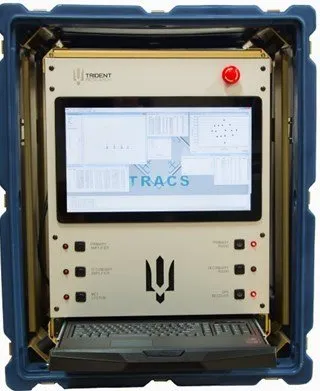
Established in 2001, Trident Research has perfected acoustic-based technologies to serve as a cost-effective and more accurate, reliable, flexible, and simpler means of weapon testing and training. The key is precise timing. The evolution of digital Global Positioning System (GPS) technology has produced miniature GPS receivers capable of cm-level positioning and nanosecond level timing. This provides distributed sensor systems, like Trident’s Terrestrial Realtime Acoustic Classification and scoring (TRACS™) for land based applications and Trident’s Tactical Acoustic Realtime Geolocation and Training (TARGT™) system for littoral ocean based applications, with a common time reference. When a munition detonates in the vicinity of one of Trident’s sensors, the impulsive acoustic energy that is released is identified and stamped with a GPS time mark that is accurate to 25 microseconds. The positions and times from each sensor in hearing range of the detonation are radioed to a central location and combined to triangulate the location of the detonation.
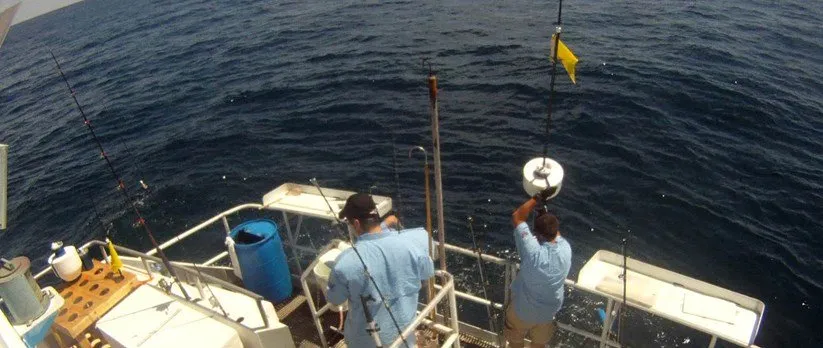
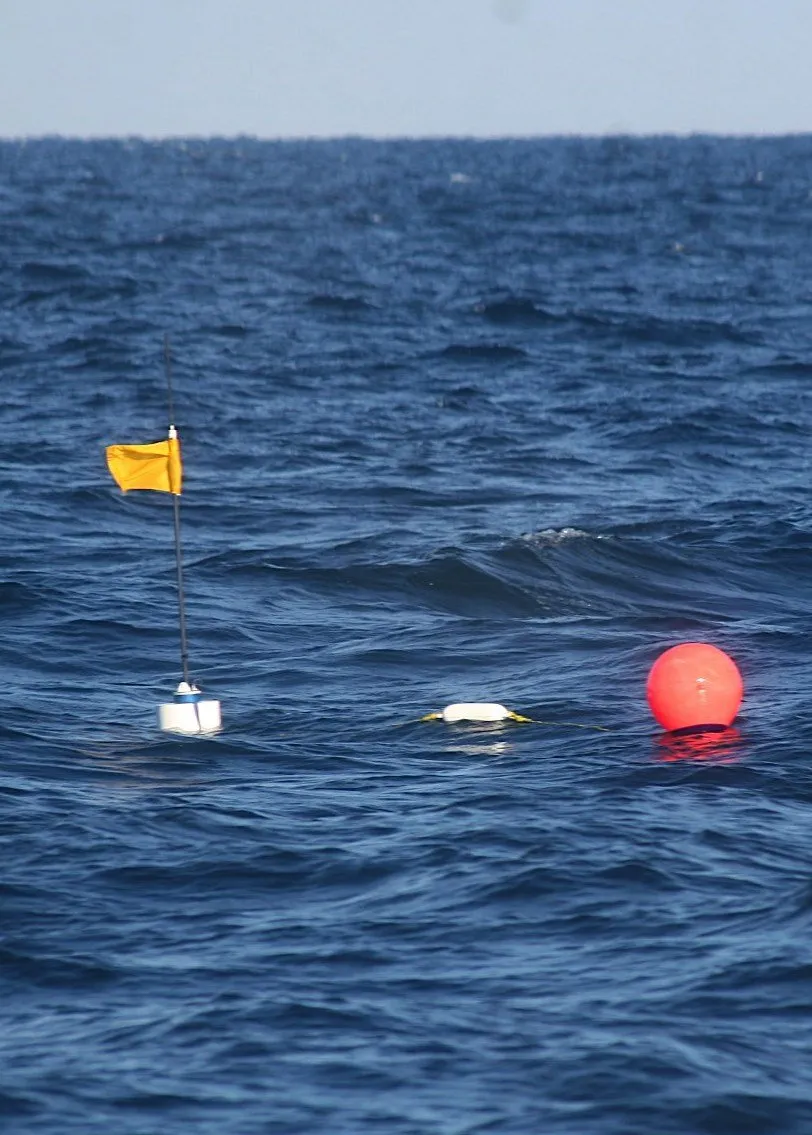
TARGT™: Realtime Sea Based Submeter Scoring Solution
Trident’s marine based realtime 2D Submeter scoring system employs an array of distributed remote sensors around an intended impact area of several square km and a remote monitoring and command and control shelter. Realtime continuous monitoring of ocean sound speed allows the system to calculate meter-level accurate water impact scores for live fire or inert rounds in minutes. With minimal post-processing, sub-meter accurate scoring is possible. Deployable and operable by a single person, the turn-key system uses a Windows-based graphical user interface and has proven to be fully operable with only one week of operator training.
Maintenance cost (hours)
| Monthly | Acoustics | Portable optics | Portable radar |
|---|---|---|---|
| System Maintenance | 32 | 240 | 360 |
| Processing System Maintenance | 16 | 8 | 24 |
| System Calibration | 0 | 48 | 72 |
| Training | 8 | 24 | 48 |
| Total | 56 | 320 | 504 |
| Annually | Acoustics | Portable optics | Portable radar |
|---|---|---|---|
| System Maintenance | 384 | 2880 | 4320 |
| Processing System Maintenance | 192 | 96 | 288 |
| System Calibration | 0 | 576 | 864 |
| Training | 96 | 288 | 576 |
| Total | 672 | 3840 | 6048 |
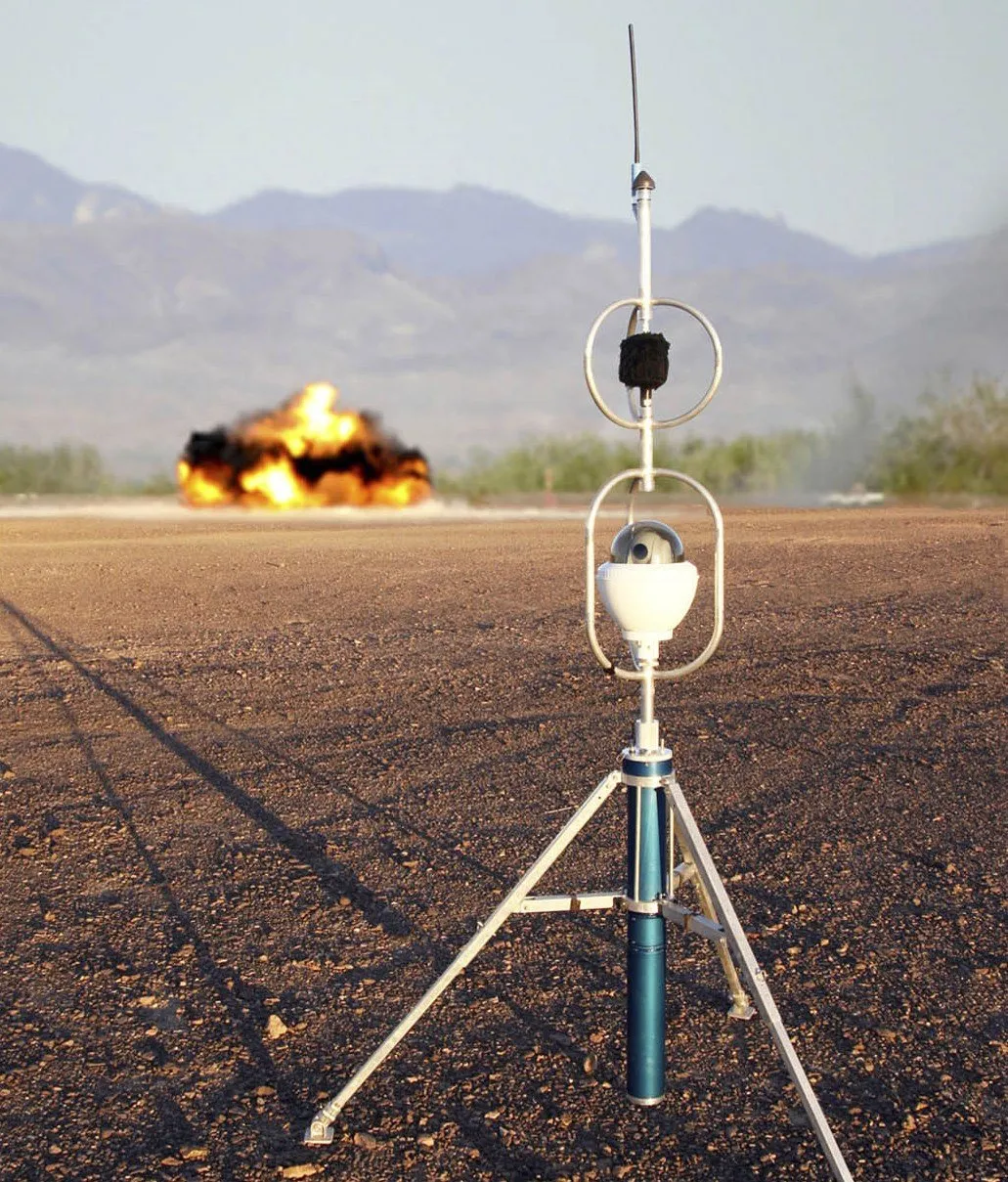
TRACS™: Realtime Land Based Submeter Scoring Solution
Trident’s land based realtime 3D scoring system employs an array of distributed remote sensors around an intended impact area and a remote monitoring and command and control vehicle. Realtime continuous monitoring of wind speed and direction allows the system to calculate meter-level accurate air-burst and ground-burst events in minutes. With minimal post-processing, sub-meter accurate scoring is possible. Deployable and operable by a single person, the turn-key system has reliably scored all manner of artillery, mortar, and helicopter rocket rounds, even in the harshest conditions. Live streaming video provides the operator and VIPs with up close visual confirmation of weapon impact.
Mission cost (hours)
| Single fire mission | Acoustics | Portable optics | Portable radar |
|---|---|---|---|
| Planning | 4 | 8 | 12 |
| System Set-Up | 8 | 18 | 24 |
| Data Capture | 1 | 3 | 3 |
| Data Processing | 1 | 4 | 9 |
| System Stowage | 6 | 9 | 9 |
| Total | 20 | 42 | 57 |
| Multi-fire mission | Acoustics | Portable optics | Portable radar |
|---|---|---|---|
| Planning | 6 | 16 | 20 |
| System Set-Up | 8 | 18 | 24 |
| Data Capture | 3 | 30 | 30 |
| Data Processing | 10 | 20 | 60 |
| System Stowage | 6 | 9 | 9 |
| Total | 33 | 93 | 143 |